
Loading...
Serving Lafayette, IN and surrounding areas. (765) 588-5579
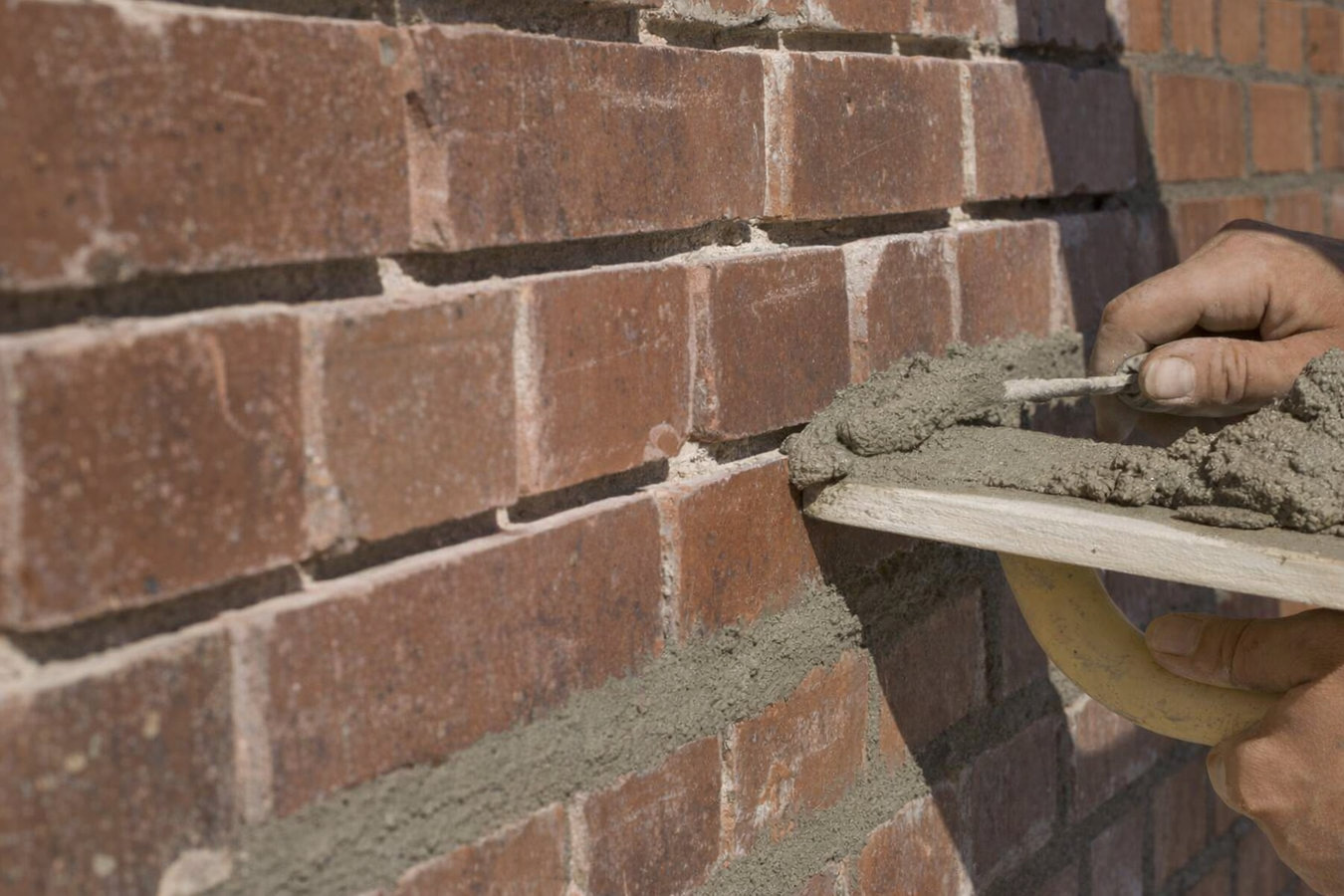
Failing mortar joints let water into your walls every winter. We remove old mortar to the proper depth and pack in a mix that holds up through Lafayette's freeze-thaw cycles for decades.
Failing mortar joints let water into your walls every winter. We remove old mortar to the proper depth and pack in a mix that holds up through Lafayette's freeze-thaw cycles for decades.
Brick pointing in Lafayette, IN is the process of removing deteriorated mortar from the joints between bricks and replacing it with fresh mortar matched to your brick type and the local climate. A single chimney or small wall section can usually be completed in one day. A full exterior repointing job on a two-story home may take two to four days depending on how much old material needs to come out.
Mortar is softer than brick by design - it absorbs movement and stress so the bricks themselves do not crack. But that softness means it weathers faster, especially in Lafayette where repeated freezing and thawing drives water deeper into the joints every winter. Most mortar starts showing real wear somewhere between 20 and 30 years after installation, which means a large share of Lafayette homes built before the 1990s are overdue for a close look. If your home has mortar that is starting to show gaps or crumble, addressing it now keeps the work in the repair category rather than the rebuild category. Catching problems early also protects the brick face from spalling - once the brick surface begins to flake, foundation repair or wall reconstruction may follow.
The depth of mortar removal matters more than most homeowners realize. Shallow patches - less than three-quarters of an inch deep - do not bond properly and tend to pop out within a few years. Proper pointing takes longer because each joint has to be cut, cleaned, and packed in layers. That is the difference between a repair that lasts two years and one that lasts twenty.
Stand back from your wall in good daylight. If the lines between your bricks look hollow, crumbly, or like pieces are missing, the mortar has failed. You should not be able to push a finger or a key into those joints - if you can, water already can too. In Lafayette's winters, that water freezes, expands the gap, and the damage compounds a little more with each cold snap.
White chalky streaks on a brick wall are caused by water moving through the wall and carrying mineral salts to the surface - a process called efflorescence. In Lafayette, this often shows up in spring after a wet winter and points to water getting in somewhere. Failing mortar joints are one of the most common entry points, and the staining is usually a sign the problem has been going on for at least a season.
If the lines between your bricks look noticeably lower than the brick face - even just a quarter inch deep - the mortar has worn down significantly and is no longer doing its job of directing water away from the joint. This is common on homes in Lafayette's established neighborhoods that have never had the mortar touched since original construction decades ago.
If a wall inside your home feels damp, shows water stains, or has paint bubbling on a surface that backs up to exterior brick, failing mortar joints are a likely cause. Water does not need a large gap to get through - even a hairline crack lets in enough moisture over time to cause interior damage. Lafayette's clay-heavy soils stay saturated after rain, which keeps the pressure on those joints all spring.
We handle tuckpointing for chimneys, exterior home walls, garden walls, retaining walls, and decorative brick structures throughout Lafayette and the surrounding area. The process is the same regardless of the structure: grind or chisel out the deteriorated mortar to a proper depth, clean out the joint, and pack in fresh mortar in layers before tooling it to match the original joint profile. Color matching is part of every job - we test samples against your existing joints before mixing a full batch so the finished work blends in rather than standing out as a patch. For homeowners with older Lafayette homes in the pre-war era, mortar composition matching is equally important - using a mix that is too hard for the original brick causes more damage than it prevents. The masonry restoration work we do on historic and older buildings follows the same principle: match the repair to the original materials.
Beyond straightforward repointing, we also assess whether a wall has damage beyond the mortar - bricks that have started to spall, sections that are bowing or shifting, or evidence of moisture that has already reached the wall structure. When a wall needs more than a repoint, we are honest about it and outline the full scope before anyone starts work. If adjacent masonry needs attention at the same time - for example, a chimney that also has a cracked cap or a wall with damaged brick courses alongside failing joints - we can address both under the same visit. We also tie brick pointing work in with related services like foundation repair when moisture damage has worked its way below the brick line.
Best for chimneys showing crumbling joints, white staining, or a mortar crown that has started to crack - typically the first masonry element on a home to show wear.
Suited to homes in Lafayette where the full exterior mortar is aging out, particularly pre-1980 brick homes that have never had the joints professionally assessed.
Ideal for homeowners with a specific area of concern - a garden wall section, a single bay of exterior brick, or a patch of visible joint failure that needs targeted attention.
Lafayette's winters go through repeated freeze-thaw cycles from late fall through early spring - temperatures drop below freezing at night and climb above it during the day, sometimes multiple times in a single week. That rhythm forces water inside mortar joints to expand and contract repeatedly, which is the primary reason mortar in this climate wears out faster than in milder regions. Homeowners in Lafayette's established neighborhoods - particularly the older residential streets near downtown and along the bluffs above the Wabash River - often find that their brick has never been repointed since the home was built, which in many cases means the mortar is 60 to 80 years old. Homeowners in communities like West Lafayette, IN across the river face identical conditions and similar housing stock.
Tippecanoe County's clay-heavy soils add a second layer of stress. Clay expands when wet and shrinks when it dries, and that seasonal movement can cause diagonal cracking at corners and window openings that looks like a mortar problem but is actually connected to soil movement beneath the wall. Knowing the difference matters before you start work - a simple repoint will not fix a crack caused by ongoing foundation movement. That is why we assess the full wall before quoting, not just the joints that are visibly failing. Historic districts in downtown Lafayette also carry specific guidance about mortar composition for repairs, and we are familiar with those requirements for homeowners whose properties fall within or near those areas. Homeowners in Crawfordsville, IN and nearby communities share the same soil and climate profile, and we take the same approach across all of it.
When you call or message us, we will ask a few basic questions - how much wall is involved, whether it is a chimney, exterior, or specific section, and roughly how old the home is. Most inquiries get a response within one business day.
We walk the wall in person, check how deep the joint deterioration goes, look at the existing mortar color and profile, and assess whether any bricks show damage beyond the joints. You get a written estimate explaining what needs to be done and why - not a ballpark number over the phone.
Before the crew arrives, clear the area around the wall - move patio furniture, planters, and vehicles. If the work is on an upper floor, scaffolding will be set up on your lawn or driveway. You do not need to be home for the work itself, but being reachable by phone is helpful in case the mason finds something unexpected.
The crew grinds out old mortar, cleans the joints, and packs in fresh mortar in layers before tooling it flush. When the work is done, they clean mortar residue off the brick face and walk the wall with you. New mortar should stay dry for at least 48 hours and should not be pressure washed for at least 30 days.
We will walk your wall, tell you honestly what we find, and give you a written price - no pressure, no obligation to move forward.
(765) 588-5579The most common reason repointing fails early is insufficient mortar removal - shallow patches that do not bond properly pop out within a few years. We remove old mortar to a minimum three-quarter-inch depth on every joint before packing in new material. That extra time up front is what separates a 20-year repair from one that needs redoing in five.
Older Lafayette homes - particularly those built before 1950 - were constructed with softer lime-based mortars. Using a modern hard mortar mix on these homes damages the brick over time. We assess the original mortar composition before mixing, and adjust accordingly. The Brick Industry Association sets the technical standards we follow for mortar selection.
We test mortar samples against your existing joints before mixing a full batch. The difference between new mortar that blends in and new mortar that stands out is entirely in this step - and once mortar sets, there is no fixing it. For homeowners in Lafayette's older neighborhoods where brick color and texture are distinctive, this matters as much as the structural work.
We will tell you if a wall has damage beyond just the mortar - bowing, spalling brick, or movement related to soil conditions - before you commit to a repoint that will not fully solve the problem. No one wants to pay for work that addresses the symptom but not the cause. We explain what we find in plain terms and let you decide how to proceed.
Brick pointing done right protects your home for two to three decades without becoming a recurring cost. The Brick Industry Association sets the industry benchmarks for how pointing work should be done, and the City of Lafayette Building and Code Enforcement office is our reference point for any project that touches permit territory. Every job we do starts with understanding exactly what is in front of us before a grinder gets anywhere near your wall.
When moisture from failing mortar joints has worked its way down to the foundation level, we assess and repair the structural damage below the brick line.
Learn MoreOlder Lafayette homes with multiple masonry elements showing age benefit from a coordinated restoration approach that addresses the full picture at once.
Learn MoreSpring books fast - every week you wait is another season of water working into those joints.