
Loading...
Serving Lafayette, IN and surrounding areas. (765) 588-5579
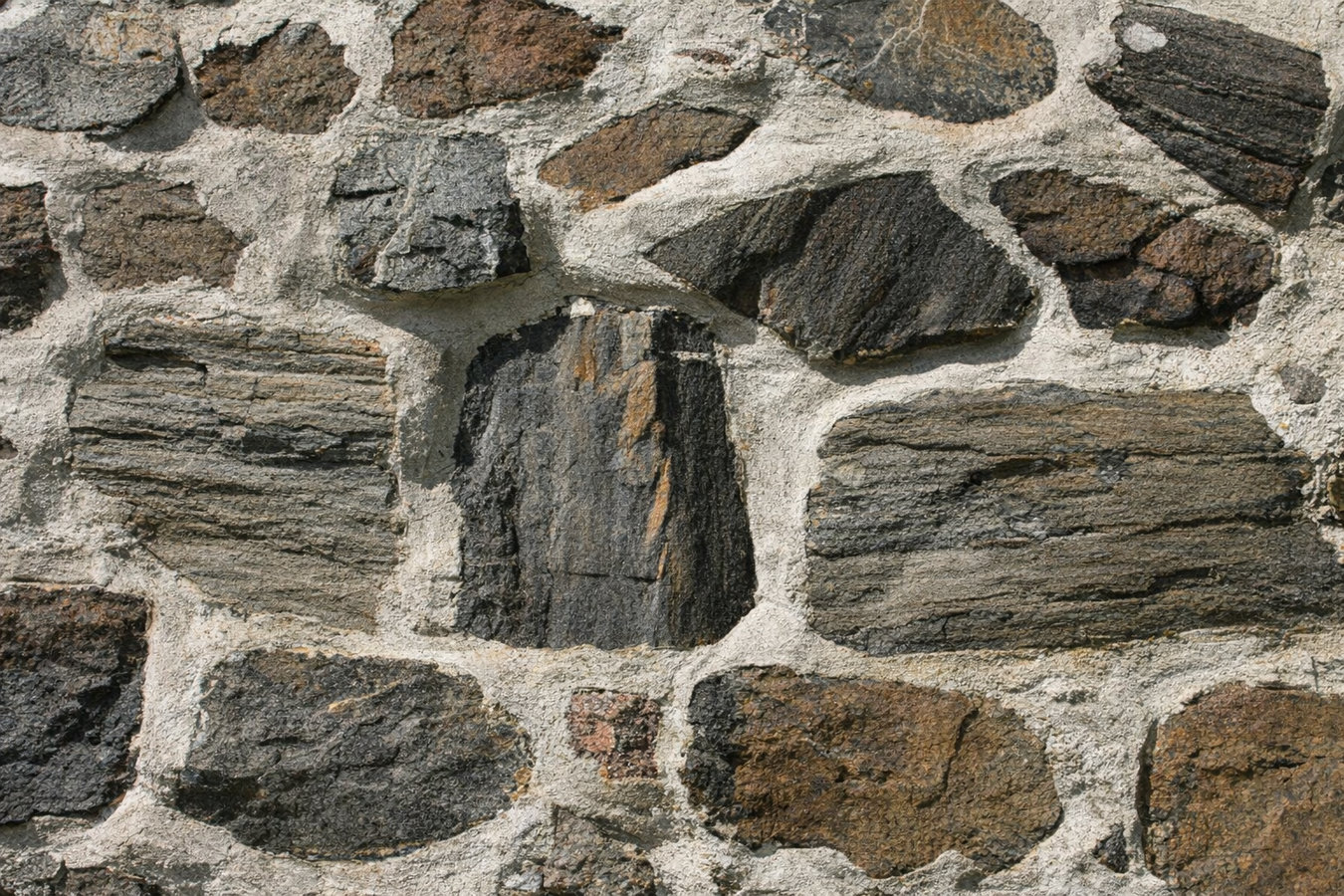
Stone walls, steps, and retaining walls fail when mortar and drainage are wrong for this climate. We build and repair stone masonry to handle Lafayette's freeze-thaw cycles from the ground up.
Stone walls, steps, and retaining walls fail when mortar and drainage are wrong for this climate. We build and repair stone masonry to handle Lafayette's freeze-thaw cycles from the ground up.
Stone masonry in Lafayette, IN means building or repairing structures - walls, steps, retaining walls, and decorative veneers - using natural or manufactured stone set in mortar. Most small repair or repointing jobs take one to three days. New construction projects like a full retaining wall or a home exterior veneer can take one to three weeks depending on size and site conditions.
Homeowners in Lafayette call us when stone steps have started to crumble, when a garden wall is visibly shifting, or when they want to add a stone feature to a yard or home exterior for the first time. The work ranges from simple mortar repairs to full new installations, and in every case the approach starts with understanding what is underneath - the footing, the soil, and the drainage - before deciding what the stone above needs. If your project includes a stone pathway alongside a new wall or garden feature, brick pointing on nearby brick surfaces is often worth addressing at the same time.
Good stone masonry is slow, detail-oriented work. The mortar mix has to match the stone type and the local climate. Drainage has to be built in. Stones have to be set so they shed water rather than collect it. Done right, a stone structure in Lafayette can last generations. Done poorly, it may need significant attention within just a few years.
Run a finger along the joints between stones on your steps, chimney, or wall. If the mortar flakes off easily, has visible gaps, or lets you push a finger in, it is no longer keeping water out. In Lafayette's climate, deteriorated mortar lets water in and every winter that water freezes, expands, and widens the gap a little more. The longer you wait, the more material eventually needs to be replaced.
If any stones in a wall, stoop, or chimney look like they have moved out of position - even slightly - the structure underneath is no longer stable. This is especially common in older Lafayette homes where original footings were not designed to handle decades of clay-soil movement. A shifted stone will not settle back into place on its own and usually signals the problem is still progressing.
That chalky white residue on masonry is called efflorescence - mineral salts left behind when water moves through the stone and evaporates on the surface. It is not just cosmetic. In Lafayette, where spring rains are heavy and winters are wet, this staining points to a drainage or mortar failure that is letting water in somewhere it should not be going.
If front steps wobble when you step on them, or a retaining wall leans noticeably, those are safety concerns, not just cosmetic ones. Lafayette's clay soils shift seasonally, and without proper drainage behind a retaining wall, water pressure builds and pushes the wall outward over time. If something feels wrong underfoot or when you press against it, have it looked at before the next winter arrives.
Our stone masonry work covers both new construction and repair. On the new construction side, we build retaining walls, garden walls, front steps, and decorative stone veneers on home exteriors. We work with natural stone - limestone, fieldstone, and bluestone are common choices in this region - as well as manufactured stone products for clients who want the look of natural stone at a lower weight and cost. Every new project is designed with proper drainage and footing depth to handle Tippecanoe County's clay soils and frost line conditions. For homes that have existing stone veneer panels showing cracks or gaps, stone veneer installation services can address those repairs or replace sections that have failed entirely.
On the repair side, we handle repointing - removing deteriorated mortar from the joints between stones and replacing it with fresh mortar matched to the stone type and the local climate. Many older Lafayette homes have stone steps or chimneys that have never been repointed in their lifetimes and are overdue. We also do more involved structural repairs where stones have shifted and need to be reset, and full rebuilds when a wall or step has deteriorated beyond what targeted repairs can fix. If a wall has reached the point of full failure, we can assess whether a stone rebuild or a related service like brick pointing on adjacent masonry is the right path.
Ideal for homeowners adding a retaining wall, front stoop, garden border, or decorative boundary wall to a Lafayette property.
Suited to homeowners who want the look of natural stone on a home exterior or interior feature wall at a reduced weight and cost.
Best for homes with aging mortar, shifted stones, or efflorescence staining that points to a drainage or joint failure needing attention.
Lafayette sits in a climate zone where temperatures swing above and below freezing repeatedly from late fall through early spring. Every time water gets into a small crack in mortar or stone and then freezes overnight, it expands and makes that crack a little wider. Over several winters, this cycle turns a minor mortar problem into a structural one. That is why the mortar mix we choose for every project is specifically rated for Indiana's freeze-thaw conditions - not just whatever is quickest to mix on site. Many homeowners in places like West Lafayette, IN have discovered the hard way what happens when a contractor uses the wrong mortar for this climate.
Tippecanoe County's clay-heavy glacial soils add another layer of complexity. Clay expands when it absorbs water and contracts when it dries out - that seasonal movement puts stress on any masonry structure sitting on or near the ground. Without proper footings and drainage, even well-built stonework can shift or crack within a few years. In Lafayette's older neighborhoods - including the established residential streets near downtown where many homes date back to the early 1900s - we pay close attention to how original drainage was handled, since it was rarely adequate by modern standards. Homeowners in Crawfordsville, IN and surrounding communities face the same soil conditions, and we factor that into every project we take on across this part of Indiana.
When you reach out, we will ask a few basic questions - what you are seeing, where the problem is, and roughly how old your home is. You do not need to have all the answers; just describe what you are noticing. We respond to new inquiries within one business day.
We come to your property, look at the work area in person, and give you a written estimate. We explain exactly what we found, what needs to be done, and why - in plain terms. There is no pressure to decide on the spot.
If your project needs a City of Lafayette building permit - required for certain retaining walls and structural work - we handle pulling that permit before work begins. Once permits are in place and you have confirmed a start date, we will tell you exactly what to clear from the work area.
Most residential projects run one to five days. The crew cleans up at the end of each day, and we walk you through the finished work before leaving. New mortar needs 24 to 48 hours before light use and up to four weeks to reach full strength - we will tell you what to avoid during that window.
We will come to your Lafayette home, show you exactly what we found, and give you a written quote. No pressure, no obligation.
(765) 588-5579We select mortar formulations specifically rated for freeze-thaw conditions, which is the single most important factor in how long stone masonry lasts in Lafayette. Using the wrong mix is the most common reason work fails within a few winters - and we have seen a lot of it on homes we get called back to repair after someone else did the original job.
Tippecanoe County's clay soils hold water and move with the seasons. Every retaining wall or below-grade stone structure we build includes a drainage layer and outlet so water pressure does not build up behind the wall. A structure built without drainage in this part of Indiana will eventually shift or fail - we make sure that does not happen on projects we touch.
A significant share of Lafayette homes were built before 1960, and the masonry on those homes reflects that era - different mortar compositions, different stone profiles, different drainage assumptions. We know how to work with older structures without making the common mistake of applying modern hard mortar to historic soft stone, which can crack the stone face over time. The Mason Contractors Association of America recommends mortar matching as a core practice for work on pre-war buildings.
Every project gets a written, itemized estimate before anyone picks up a tool. We explain what we found, what we recommend, and why - so you are never left wondering what you are paying for. If we find something during the work that changes the scope, we tell you before we proceed, not after.
When stone masonry is done right, it lasts for decades without becoming a recurring expense. When it is done wrong, you are calling someone back within a few years. Every choice we make - mortar mix, drainage design, footing depth, scheduling around weather - is aimed at making sure the second call never needs to happen. The Mason Contractors Association of America provides industry standards that guide how we approach every project.
Crumbling mortar joints between bricks get the same attention we give stone - old material removed to depth, fresh mortar matched to your brick type and climate.
Learn MoreAdd the look of natural stone to a home exterior or interior wall with a veneer system that keeps weight and installation time manageable.
Learn MoreSpring fills up fast - reach out now and we will get you on the schedule before the busy season is gone.