
Loading...
Serving Lafayette, IN and surrounding areas. (765) 588-5579
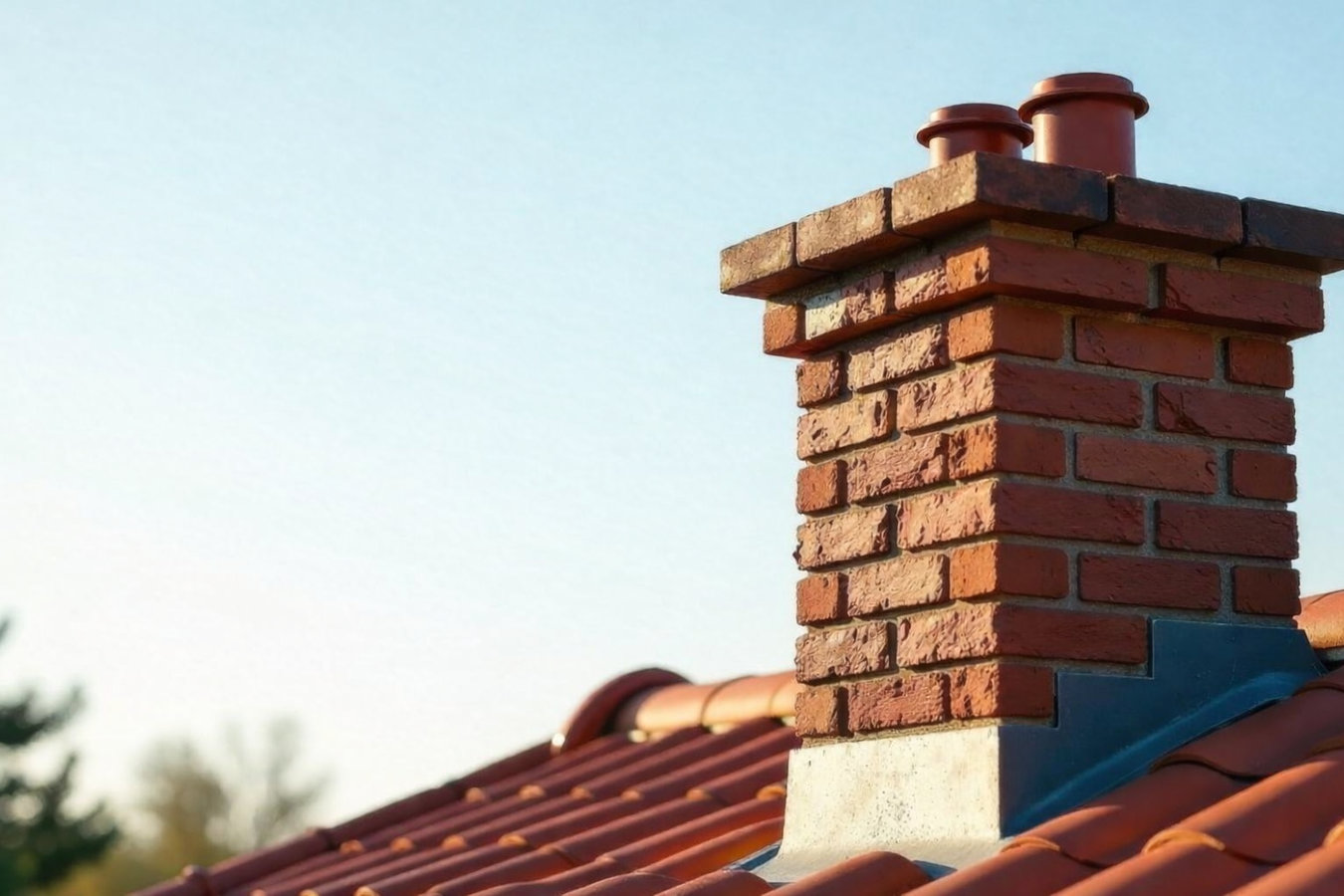
Crumbling mortar, a leaking crown, or chunks falling into your firebox are signs your chimney needs work now - not after another Indiana winter makes it worse.
Chimney repair in Lafayette, IN addresses cracked mortar, damaged liners, failed flashing, deteriorated crowns, and crumbling brick, with most jobs completed in one to three days. The fix depends on what is failing - a worn joint between bricks calls for repointing, while a compromised liner or a shifted section of the stack needs more involved work. We inspect the full system before recommending anything.
Most homeowners do not notice chimney problems until there is visible damage indoors or the fireplace smells off. By that point, moisture has usually been working its way through the masonry for at least one season. In Lafayette, Indiana's freeze-thaw winters accelerate that process - water soaks into brick and mortar, freezes overnight, and cracks the material from the inside. Catching problems in spring means a simpler, less expensive repair before the cycle repeats.
If mortar joints are the main issue, we often recommend combining chimney work with a full tuckpointing inspection of your home's exterior masonry, since the same conditions that damage a chimney affect the rest of the brickwork as well.
That chalky white residue - called efflorescence - means water is moving through your brickwork and carrying mineral salts to the surface. In Lafayette's wet springs and freeze-thaw winters, it is one of the earliest visible signs that moisture is getting into your chimney. It is not an emergency on its own, but it signals an inspection is overdue.
Chunks of brick face or gritty mortar debris in your firebox mean the masonry is actively breaking apart. Lafayette's repeated freeze-thaw cycles accelerate this - what starts as surface flaking can progress to structural instability if ignored through another winter.
A musty or earthy odor from the fireplace - especially after rain or in humid summer months - usually means water is getting in somewhere. It could be a failed chimney cap, deteriorated flashing, or cracked mortar. The smell itself is not dangerous, but the water causing it is slowly damaging your chimney and the walls around it.
Staining on the ceiling above your fireplace or on the adjacent wall after rain is a sign the flashing or crown has failed. This is easy to misread as a roof problem. If the staining appears after rain and is concentrated near the chimney, have a masonry contractor look at the flashing and crown before you call a roofer.
We handle the full range of chimney repairs - from repointing worn mortar joints and replacing a crumbling crown to relining a damaged flue and rebuilding sections of the stack that have deteriorated past the point of simple repair. Flashing failures are a common source of water damage in Lafayette homes, and we repair or replace the metal seals where chimneys meet rooflines. Every job includes a written estimate and a walkthrough of what we found before work begins.
For homeowners who want to connect their chimney to a new hearth setup, we also handle fireplace installation - so if your chimney work reveals a fireplace insert that has seen better days, we can address both in a single project visit. Each scope of work gets its own clear line item so you know exactly what you are paying for.
Suits chimneys where the bricks are still sound but the joints between them are crumbling or recessed from weather wear.
Suits chimneys with a cracked concrete crown or missing, rusted, or broken chimney cap letting rain directly into the flue.
Suits chimneys with a cracked or deteriorated liner that can no longer safely contain heat and combustion gases.
Suits chimneys where the roof-to-chimney seal has failed and is causing interior water staining, or where upper sections have shifted structurally.
Lafayette goes through more freeze-thaw cycles per winter than many homeowners realize - temperatures regularly swing above and below freezing dozens of times between November and March. Every cycle pushes moisture deeper into brick and mortar, then expands it when it freezes. The result is mortar joint deterioration and spalling - chunks of brick face breaking off - that builds up faster here than in milder climates. A chimney that looked fine in October can have visibly worse mortar by March. Waiting another season compounds the damage and the repair cost.
A large share of Lafayette's housing stock was built before 1970, and chimneys from that era used softer mortar formulas with a shorter lifespan than modern materials. The neighborhoods near downtown, near Columbian Park, and throughout the older residential areas on the south side of the city all have homes where the original chimney has likely never had professional attention. We serve these older neighborhoods and the areas around West Lafayette and out toward Kokomo - and we know the difference in what these homes typically need.
We ask about your home's age, symptoms, and when it was last inspected. We respond within 1 business day and schedule an on-site visit rather than quoting over the phone.
We examine the chimney from the ground, from the roof, and through the firebox - checking the mortar joints, crown, flashing, liner, and cap. We explain what we find as we go.
Each repair gets its own cost listed separately - not a lump sum. If a permit is required for structural work, we note that and handle the application for you.
Most jobs take one to three days. New mortar needs 24 to 48 hours to cure before the fireplace can be used. We walk you through the completed work and confirm when it is safe to use again.
We respond within 1 business day. Your estimate is free and there is no obligation to move forward. After you submit, someone from our office will call you to schedule a free on-site visit so we can see the chimney directly and give you an accurate written estimate.
(765) 588-5579Structural chimney repairs require a permit from the City of Lafayette Building and Planning Department. We pull the permit, coordinate the inspection, and keep you informed. You do not need to contact the building department or track down the requirements yourself.
We carry general liability and workers' compensation coverage. You receive written documentation of the work and any warranty before we leave - which matters when you sell your home or file an insurance claim.
We have worked on chimneys throughout this area for over a decade - older brick stacks near downtown, mortar repointing on mid-century ranches on the south side, and flashing repairs on homes all across the county.
Every repair gets its own clear cost so you can evaluate what you are paying for. This also makes it easy to compare our estimate against others without guessing what is included.
Chimney repairs done to a low standard fail fast in Indiana's climate. We use materials rated for the conditions here and follow the annual inspection standard recommended by the National Fire Protection Association and the Chimney Safety Institute of America - the two main authorities on chimney safety in the U.S.
Tuckpointing renews the mortar joints on any masonry surface - a natural next step after chimney mortar repairs to protect the rest of your home's brickwork.
Learn MoreIf your chimney repair reveals a fireplace that needs a full replacement or a new insert, we handle that work as well.
Learn MoreSpring and early summer are the best time to repair chimney damage in Lafayette - contractors are available and mortar cures properly. Call now to lock in your date.